Illustration
Erg Chigaga day trip
A long return day by 4×4 from Foum Zguid, crossing Lac Iriki to the dunes, with no night at camp.
Private trip 4×4 Price on request
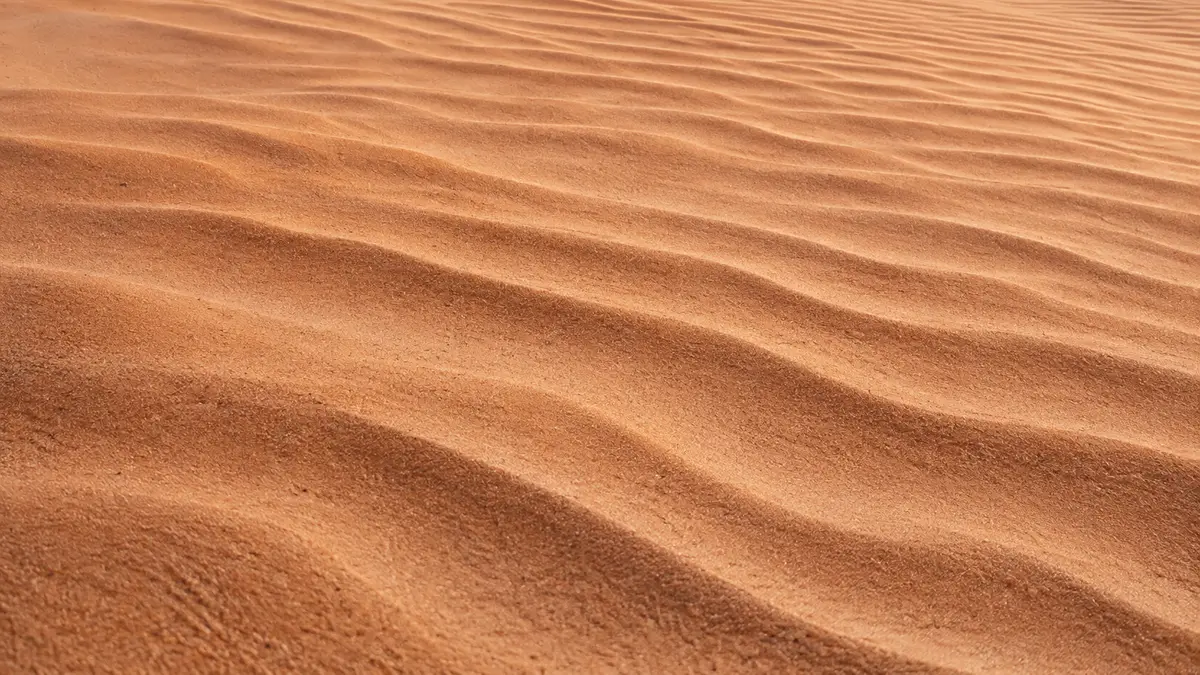
Southern Morocco lies on the north-western edge of the Sahara, but “the Sahara” can mean very different trips, from a night out near Marrakech to several days in a remote sand sea. This guide explains where the desert is, sets out the main styles of trip honestly and covers the practical questions, so you can choose the right one, even if it is not ours.
The Sahara is the vast desert that covers much of North Africa. Morocco sits on its north-western edge: once you cross the High Atlas and the Anti-Atlas heading south or south-east, the country turns steadily drier, and beyond towns such as Zagora, M’Hamid, Foum Zguid and Merzouga the desert takes over.
Most of that desert is not sand. It is stony plain, gravel and dry riverbed, the landscape known locally as hamada. The sand dunes most visitors picture are concentrated in a few places called ergs, or sand seas. Morocco has two large ones that travellers visit: Erg Chigaga in the far south, and Erg Chebbi near Merzouga in the south-east. If you are wondering what the word means, our guide to what an erg is explains it.
Morocco’s desert trips fall into roughly four styles. They differ in landscape, access, how busy they feel and how many days they need. None is the right answer for everyone.
| Style | Examples | Access | What it feels like | Suits |
|---|---|---|---|---|
| Large, remote erg | Erg Chigaga | Off-road only, from Foum Zguid or M’Hamid | Wide dune field, few camps, quiet | Travellers with time who want remoteness |
| Large, accessible erg | Erg Chebbi (Merzouga) | Paved road to the edge of the dunes | Tall dunes, many camps, busier | Easier access, families, eastern routes |
| Smaller dune areas | Near Zagora and M’Hamid, Erg Lihoudi | Short drives from town | A taste of dunes, brief and simple | Short trips through the Drâa valley |
| Stony desert | Agafay, near Marrakech | Short drive from the city | Hills and plains, not sand dunes | One night out from Marrakech |
Erg Chigaga (also spelled Erg Chegaga) is a large erg in southern Morocco near the Algerian border. No paved road reaches it. Travellers come in by 4×4 or on foot with camels, usually from Foum Zguid in the west, across the dry bed of Lac Iriki, or from M’Hamid El Ghizlane in the east, where the paved road south of Zagora ends.
That access is the defining trade-off. The journey takes longer and is bumpier, but the dunes feel more remote and there are fewer camps than at Merzouga. Sahara desert camping here ranges from simple bivouacs to more comfortable camps. This is the desert we work in. Read more on Erg Chigaga.
Erg Chebbi, beside the village of Merzouga in the east of the country, is Morocco’s best-known dune field. It is reachable by paved road, and its dunes are generally described as taller and steeper than Erg Chigaga’s, rising sharply from a flat plain. It is also much busier, with hotels, many camps and more activities on offer.
Merzouga is the better choice for many travellers: those on a route through the east of Morocco, families with very young children, and anyone who would rather avoid long off-road drives. We do not run trips there, but our Erg Chigaga vs Merzouga guide compares them fairly.
Around Zagora and M’Hamid in the Drâa valley there are smaller dune areas, including Erg Lihoudi near M’Hamid, that are quicker to reach. An overnight here is a short introduction to the desert rather than a deep one, and it can fit neatly into a trip through the Drâa valley.
From Foum Zguid, we also offer a 2-day trip to Erg Lamhazil, a smaller dune area west of the main erg. It suits travellers who want a night among dunes on a different route, or who already know Erg Chigaga.
Agafay, a short drive from Marrakech, is a desert of stony hills and plains rather than sand dunes. Its camps make a pleasant night out from the city, often with views towards the Atlas on clear days. If your heart is set on sand, though, Agafay will not give you that. See our Erg Chigaga vs Agafay guide.
Deserts lose heat quickly once the sun goes down. In winter, nights in the open desert can be very cold, cold enough for a warm jacket, a hat and extra layers in bed. In spring and autumn, warm days often give way to cool evenings. Summer is the exception, with hot days and warm nights. We avoid quoting temperatures here; our weather guide explains the seasons in more detail.
Loose, light layers that cover your shoulders and legs work best: they protect you from the sun, keep sand off your skin and suit the modest dress expected in villages. Add a warm fleece or jacket for the evening, a hat or scarf against sun and wind, sunglasses, and closed shoes or sandals you do not mind filling with sand. Our packing list covers the details.
Travellers visit Morocco’s deserts in every season, and the main risks are the ordinary desert ones: heat, sun, cold nights and distance from help. Travel with an experienced local team, drink plenty of water, stay on the routes your driver or guide chooses, and read your own government’s travel advice before you go.
A few questions usually settle it:
We arrange private trips to Erg Chigaga, from a long day trip to multi-day camel treks, mostly from Foum Zguid and, for treks, also from the M’Hamid side. Starts from Marrakech, Ouarzazate and other towns can be arranged with a transfer on request. The trips listed below are starting points; see all our tours for how to choose between them. If another desert suits your plans better, tell us and we will say so.
A long return day by 4×4 from Foum Zguid, crossing Lac Iriki to the dunes, with no night at camp.
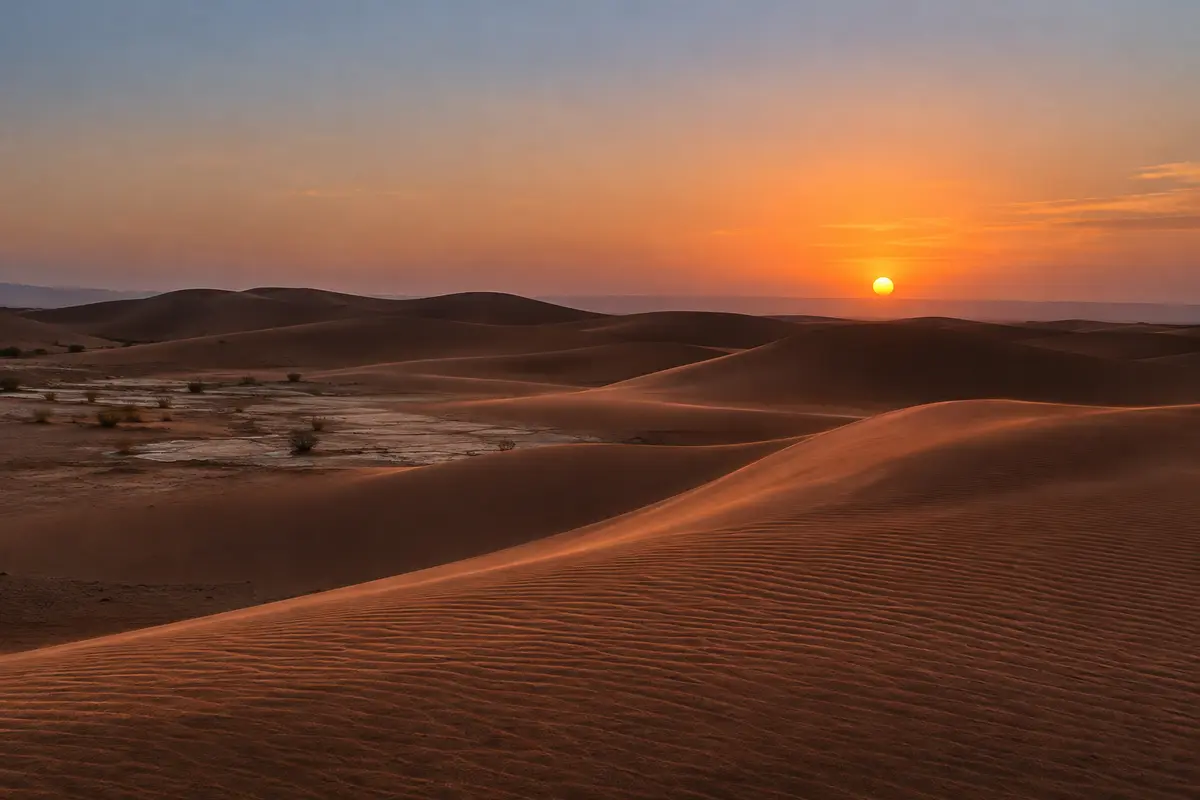
One night at a desert camp, with Lac Iriki on the way in and sunset on the dunes.
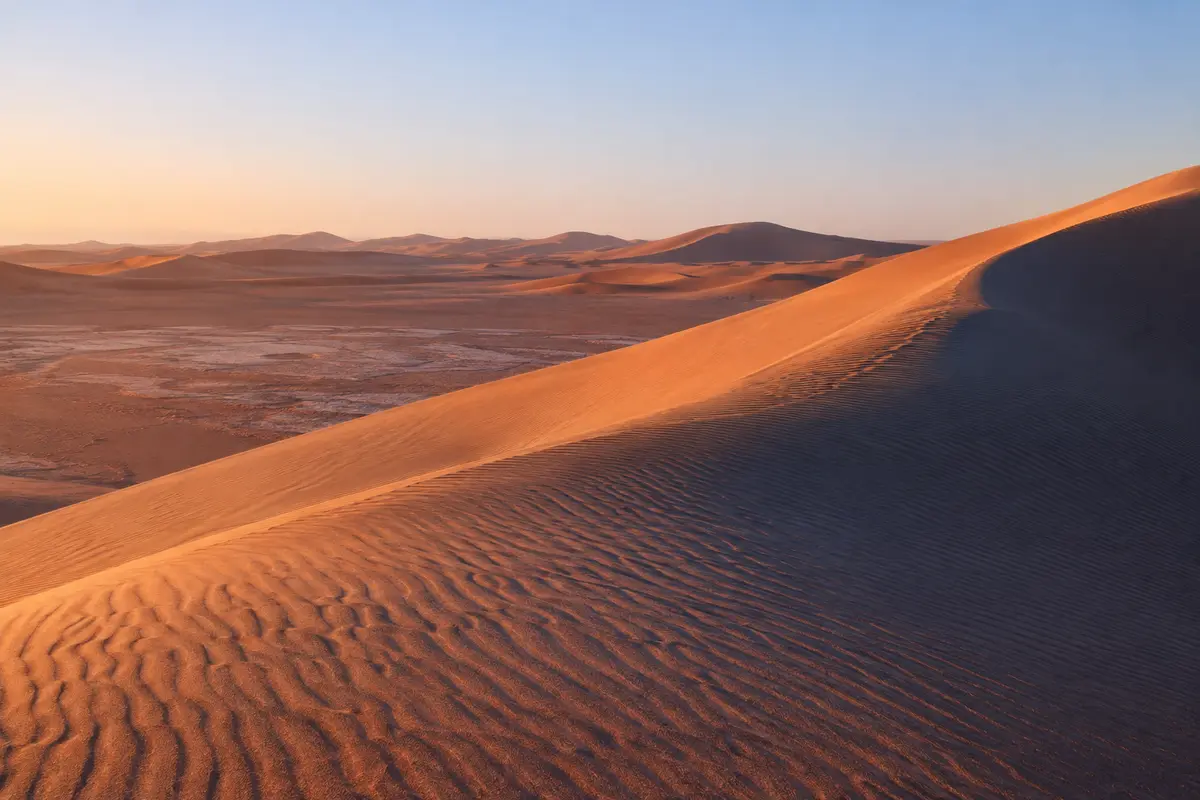
Two nights at a desert camp with a whole day in the dunes for walks, sunrise and slow time in the sand.
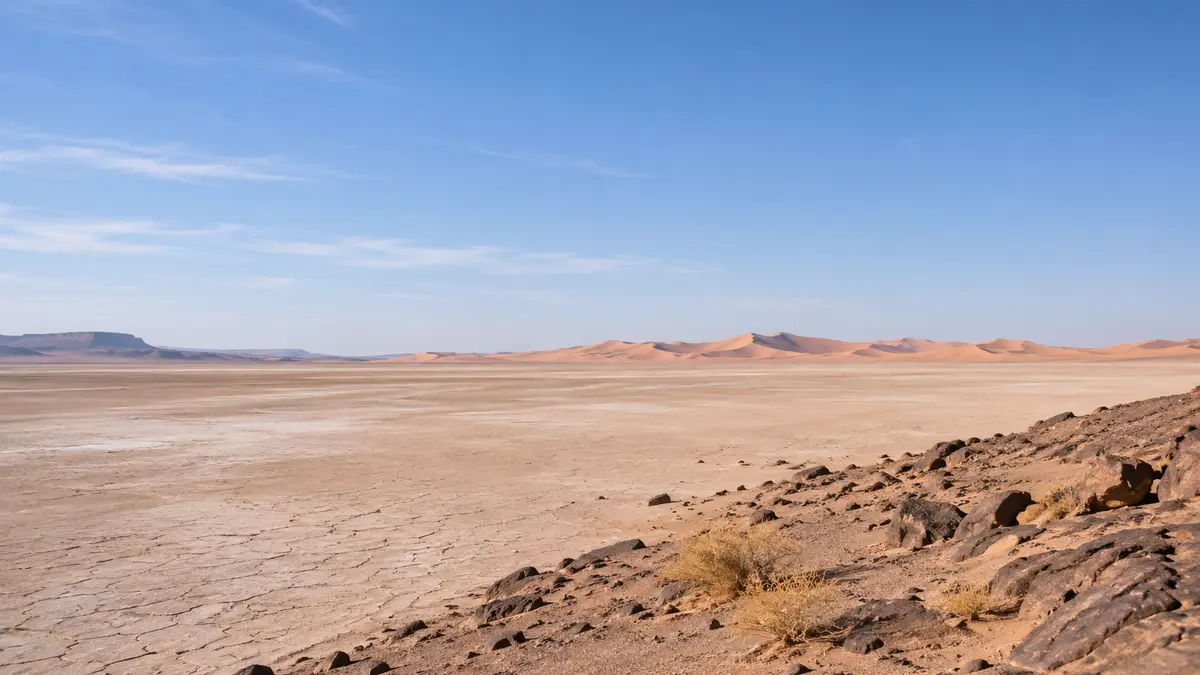
A day by 4×4 into the Iriki basin from Foum Zguid, with time on the dry lake bed. No dunes and no overnight.
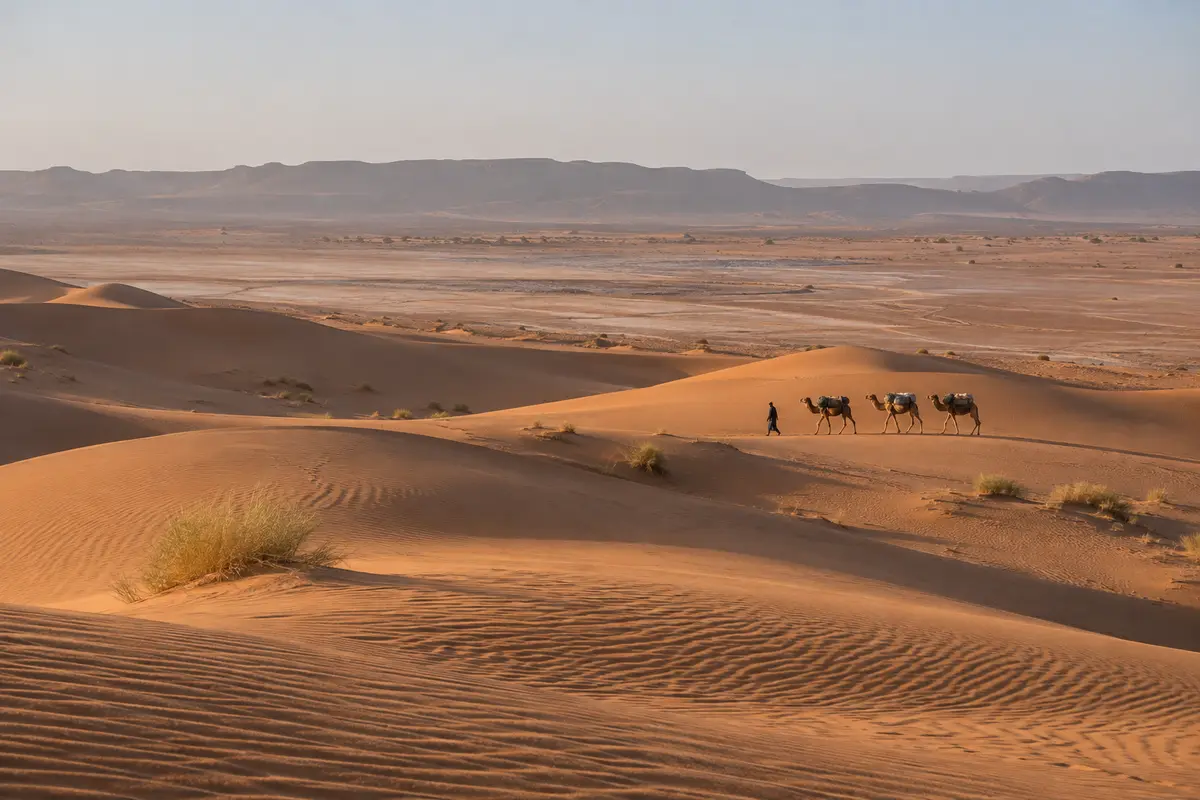
Walk towards the dunes for three days with a small camel caravan, sleeping two nights at simple mobile bivouacs.
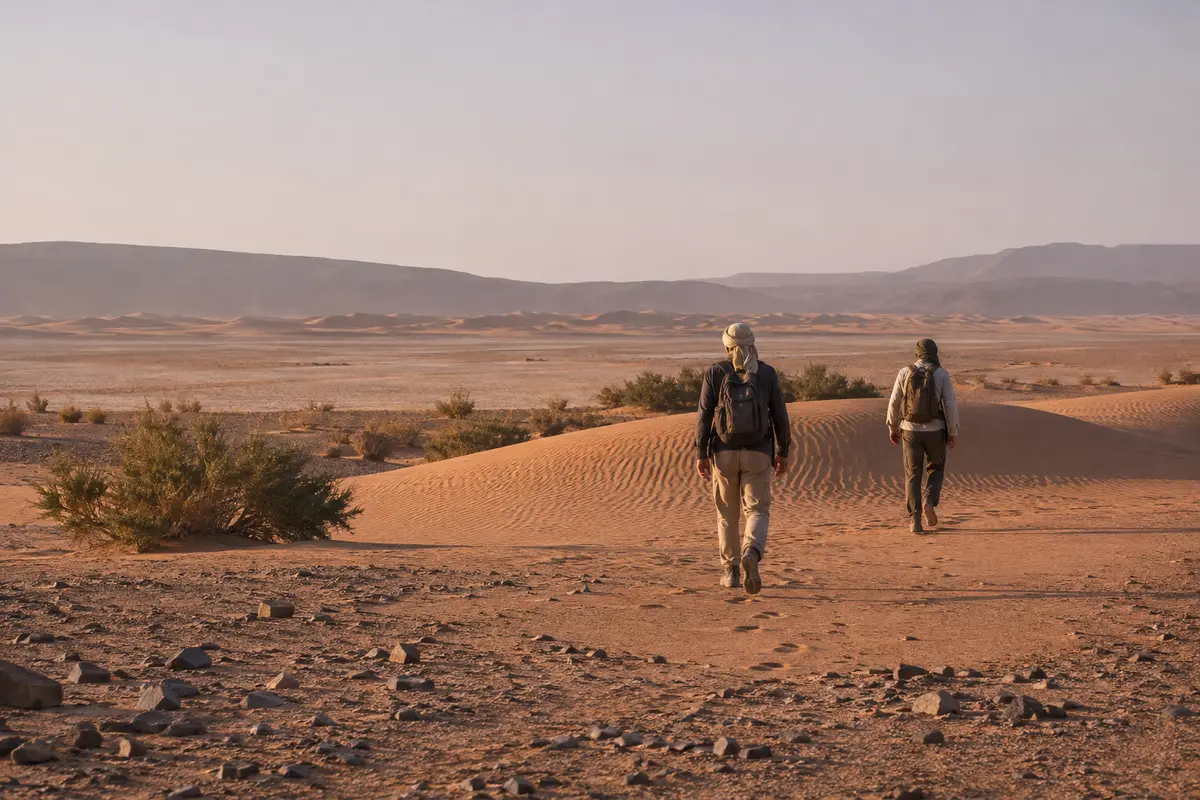
Four days on foot with a camel caravan and three nights at mobile bivouacs, for walkers who want a deeper desert route.
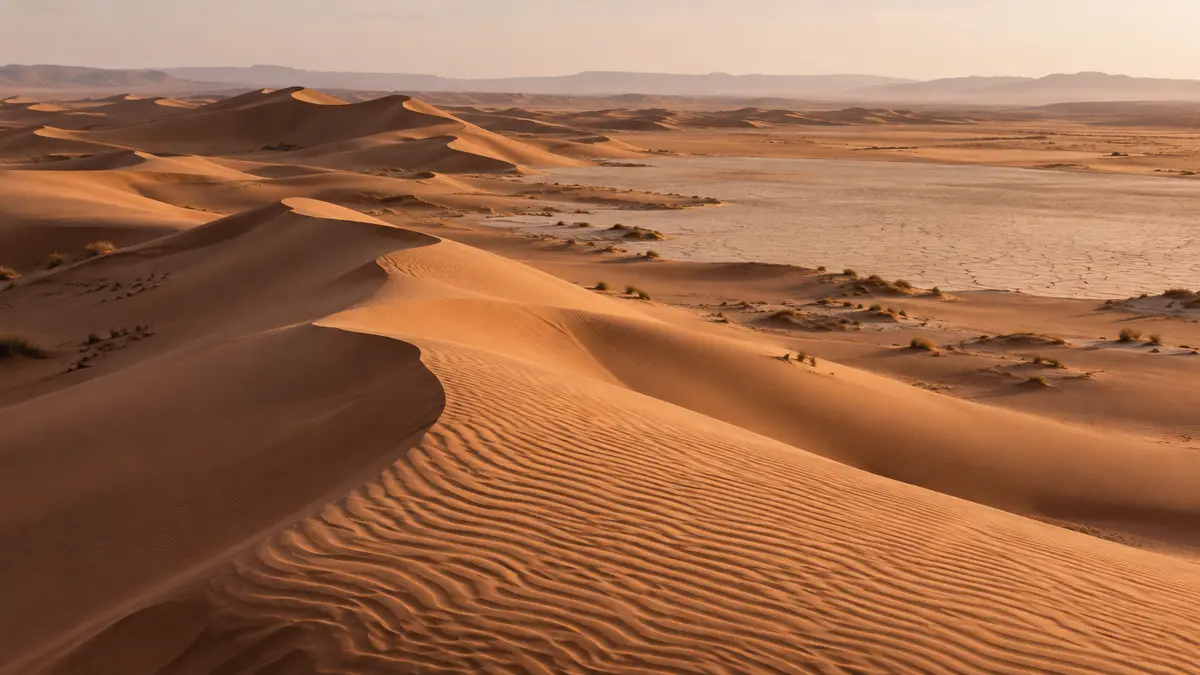
Three nights at one desert camp with two full days in the dunes, travelling by private 4×4 rather than on foot.
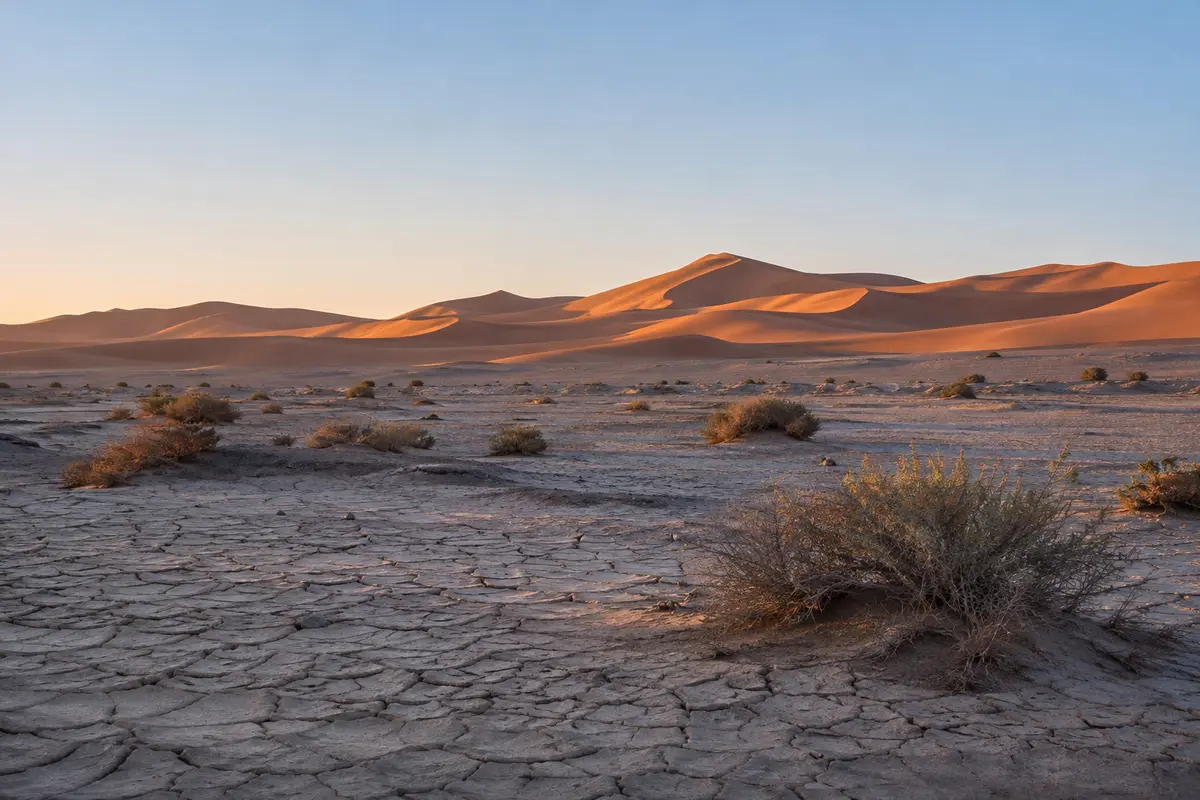
Four nights of slow desert time by private 4×4, with room to add dune days, change camp or start from further away.
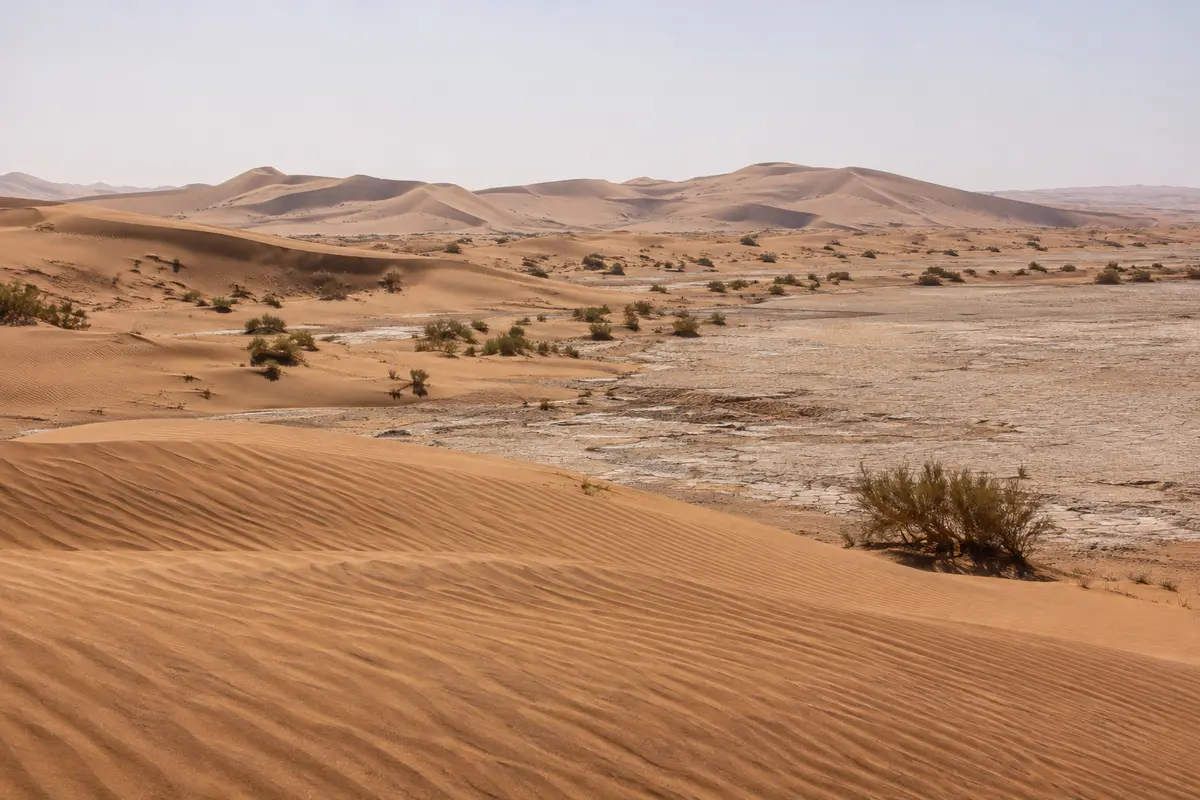
One night at a smaller dune area reached by 4×4 from Foum Zguid, as an alternative to the main Erg Chigaga trip.
Five days on foot with a camel caravan and four nights at mobile bivouacs, crossing open desert before the dunes.
A week on foot through remote desert with a camel caravan and six nights at mobile bivouacs, for experienced walkers.
Access, crowds, dunes, camps and trip length compared, so you can choose the desert that fits your trip.
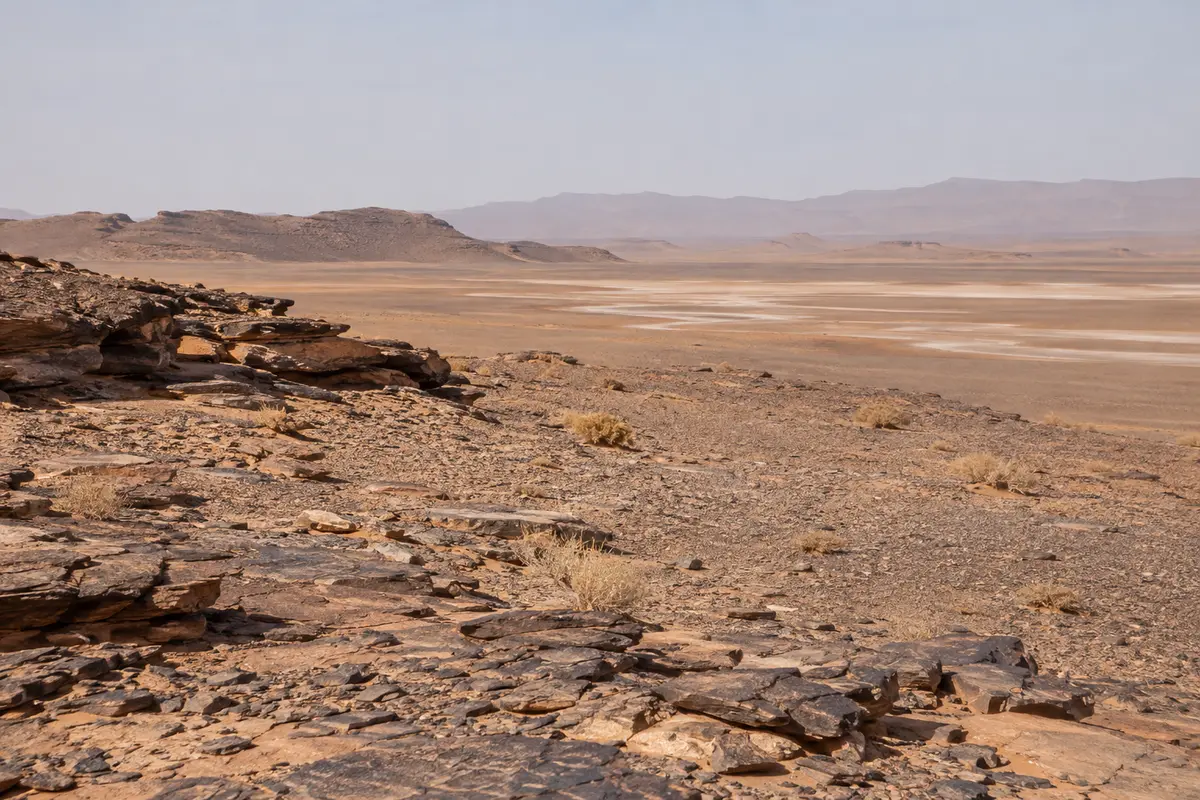
A stony desert near Marrakech or a remote sand sea in the south? How Agafay and Erg Chigaga compare, and who each suits.
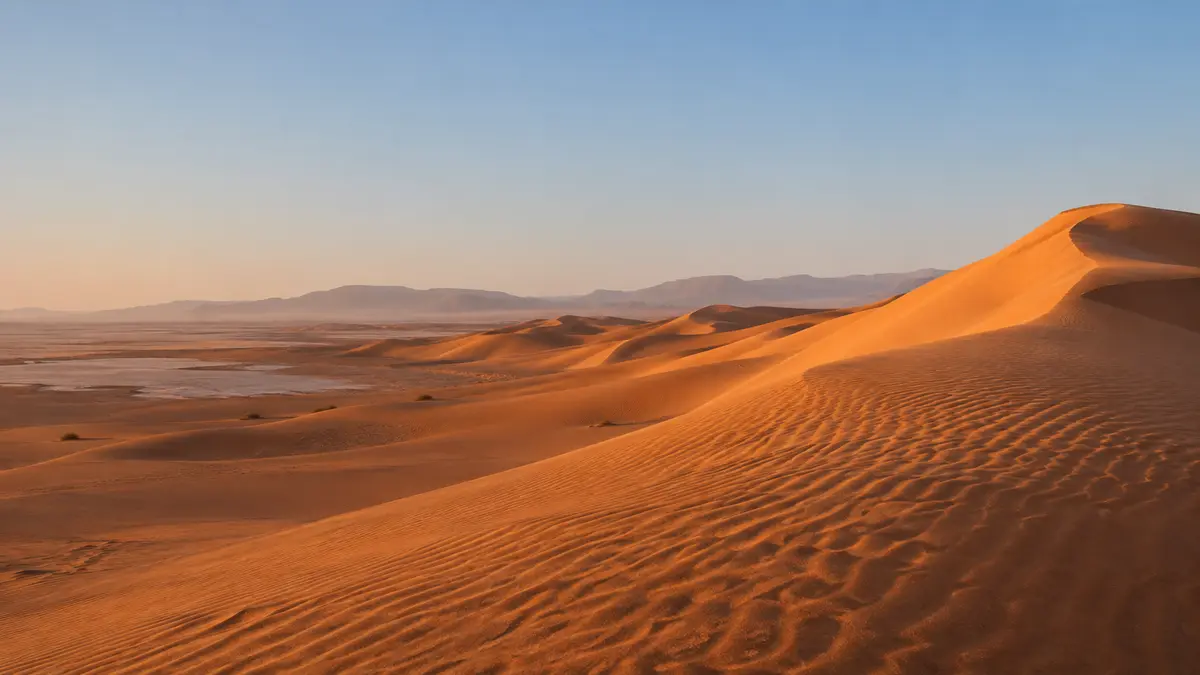
The remote dune field near the Algerian border, reached only off-road from Foum Zguid or M’Hamid.
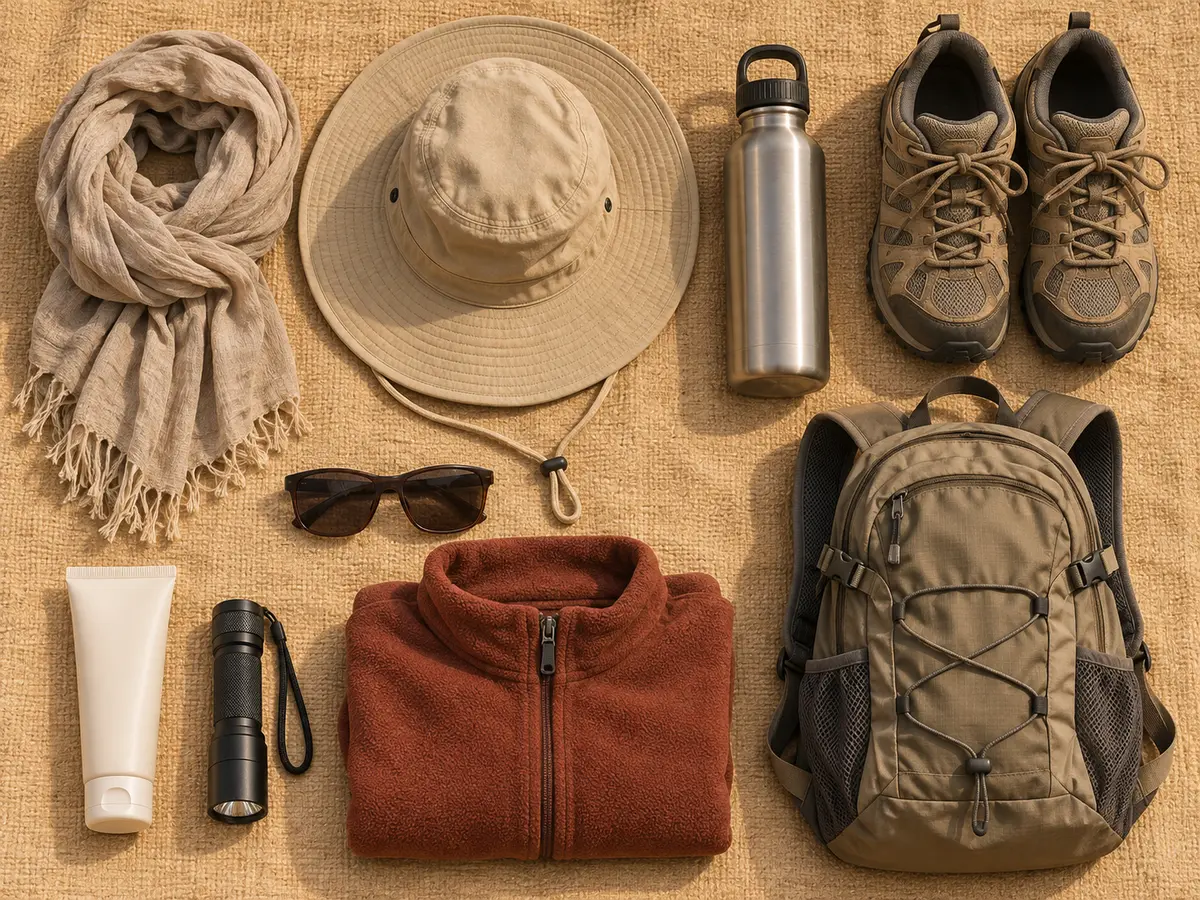
Checklists for a 4×4 overnight, a camel trek, winter and summer, plus what to leave at home.
Compare Erg Chigaga tours by length, starting point, 4x4 or trek and camp comfort, from a long day trip to multi-day camel treks, all arranged privately.
Send your dates and group size. We reply with a written itinerary and price — no payment needed to ask.