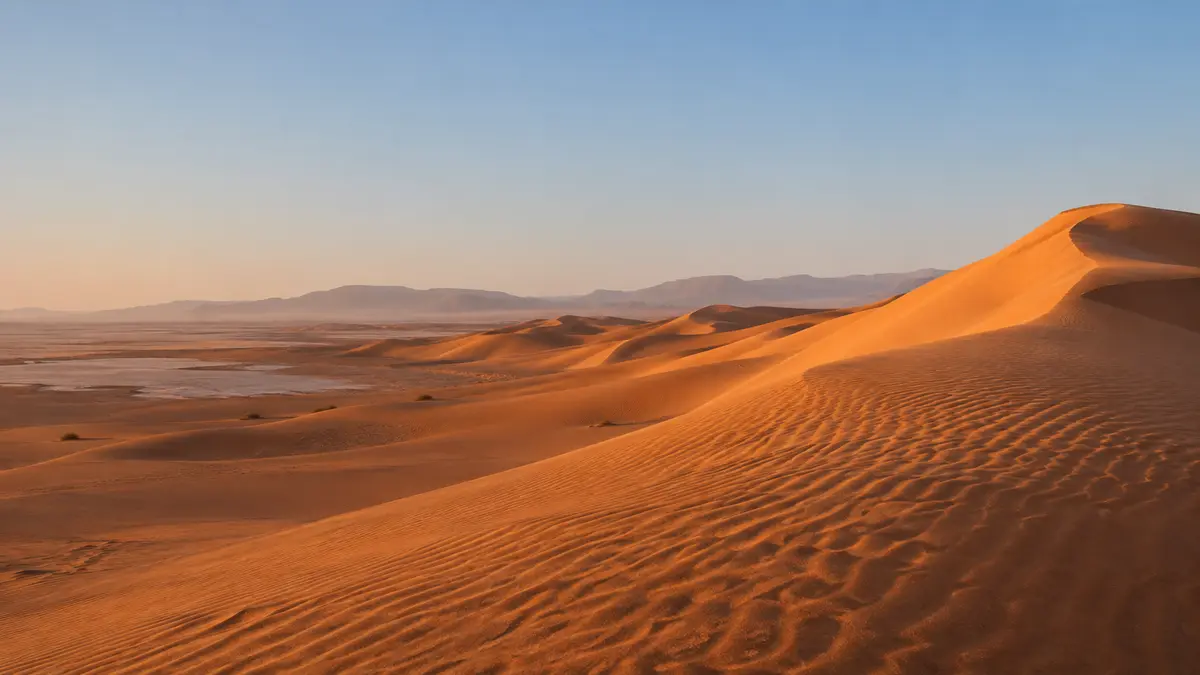
Erg Chigaga
The remote dune field near the Algerian border, reached only off-road from Foum Zguid or M’Hamid.
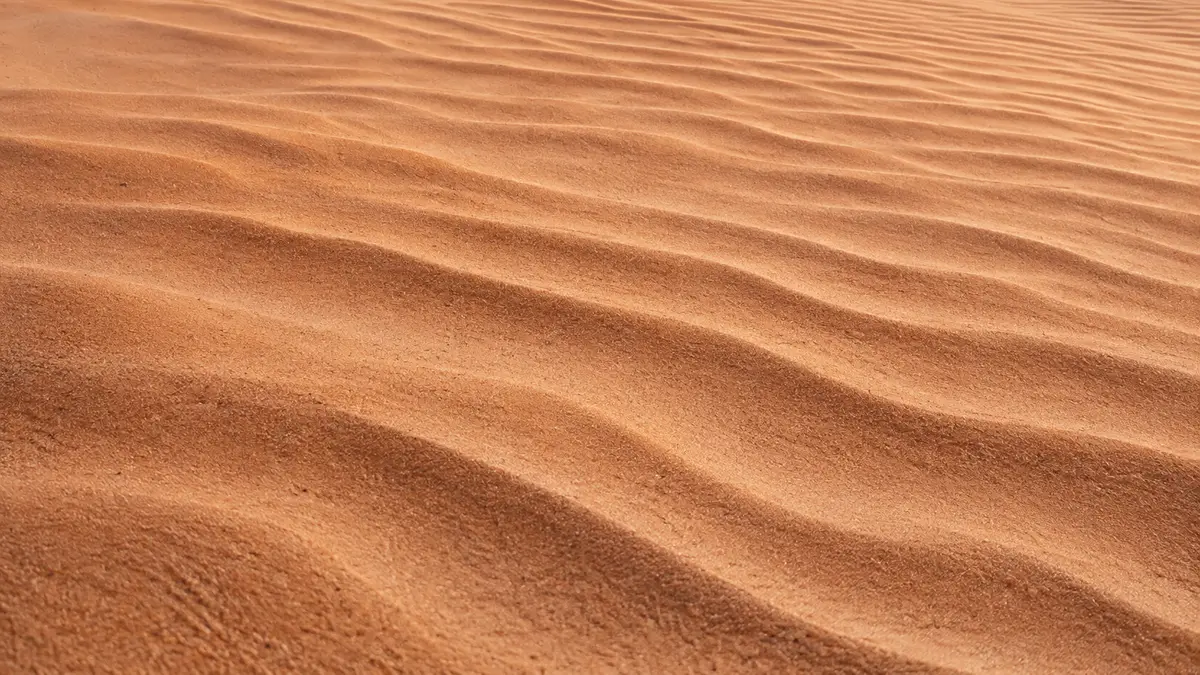
An erg is a sand sea, a wide area of desert covered by wind-blown sand and dunes. The word comes from Arabic and is used across North Africa. This short guide explains how ergs form, the shapes dunes take and where the Sahara’s best-known sand seas lie.
An erg is a large area of desert covered by wind-blown sand, usually shaped into dunes. Geographers sometimes call it a sand sea, and the comparison is a good one: from a high ridge, rows of dunes roll away like a frozen swell. The word comes from Arabic and is used across North Africa, which is why so many Saharan dune fields carry it in their names.
Most people picture an erg when they think of the Sahara. In fact, sand seas cover only part of the desert. Much of the Sahara is stony plateau, called hamada, or flat gravel plain, called reg. The approach to Erg Chigaga crosses both kinds of ground before the dunes begin, so a trip there shows you more than one face of the desert.
An erg needs two things: a supply of sand and a wind to move it.
Desert sand is mostly fine grains of mineral, often quartz, broken down from rock over a very long time. Heat, cold, occasional water and the wind itself wear rock into smaller and smaller pieces. Rivers, including rivers that flowed when the climate was wetter, carried sediment into low basins and spread it across plains. Over time, wind sorts this material: the finest dust is carried far away, the heavier pebbles stay behind, and sand-sized grains are bounced along the ground.
Sand moves mostly by short hops, a process geologists call saltation. Grains lifted by the wind fall back and knock other grains forward, and the whole surface creeps downwind. Where the wind slows, for example in a basin, against high ground or where winds from different directions meet, sand drops out and builds up. Given enough time and enough sand, these deposits grow into dune fields, and the largest become ergs.
Ergs tend to form in low-lying areas where sand collects rather than blowing straight through. Their edges are often marked by a change in the ground: stony plains, river beds or rising hills. That is why sand seas can begin quite abruptly, with flat stony desert on one side and tall dunes on the other.
A typical dune has a long, gentle side facing the wind and a short, steep side sheltered from it. Wind pushes sand up the gentle slope to the crest, where it builds up until it slides down the steep face, known as the slip face. Repeated over and over, this slowly moves the dune downwind. Look closely at the sand and you will see the same process on a tiny scale in the ripples that cover almost every surface.
Dune shapes depend on the wind pattern and on how much sand is available. These are the forms geographers most often describe, in general terms:
Real sand seas rarely contain only one type. Most mix several, and large dunes often carry smaller dunes on their flanks.
The Sahara holds many sand seas. Among the best known are the Grand Erg Oriental and the Grand Erg Occidental in Algeria, which are among the largest. Other major sand seas lie in Libya, Egypt, Niger, Mali and Mauritania. Their published sizes vary a good deal between sources, so we do not quote figures here.
Morocco’s ergs are much smaller, but they are the most accessible to most travellers:
There are also smaller dune areas, for example near M’Hamid and Zagora, which give a shorter taste of the sand. Our comparison of Erg Chigaga and Merzouga looks at the two main ergs side by side, and our Agafay comparison explains why the stony desert near Marrakech is not an erg.
Reading about dunes is one thing; walking up a slip face at sunset is another. At Erg Chigaga you can see most of this in a single visit: the stony plain on the approach, wind ripples underfoot, sharp crests and the slow change of colour as the light drops. The Erg Chigaga destination guide describes the dunes in more detail.
You can reach the dunes by 4×4 on one of our Erg Chigaga tours, or more slowly on foot with camels on a desert trek, which is the best way to feel how the landscape changes from stony ground to sand.
The remote dune field near the Algerian border, reached only off-road from Foum Zguid or M’Hamid.
Compare Erg Chigaga tours by length, starting point, 4x4 or trek and camp comfort, from a long day trip to multi-day camel treks, all arranged privately.
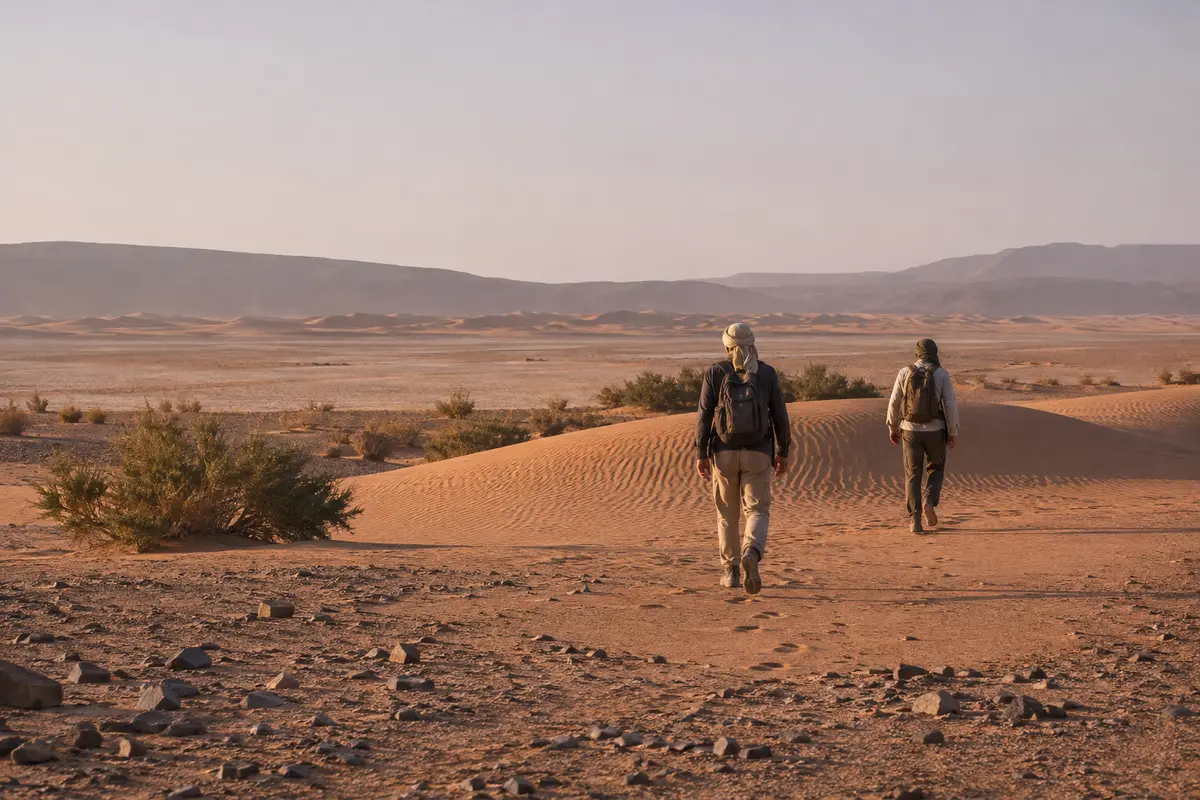
Desert walking at Erg Chigaga explained, from dune walks and short camel rides to camel-supported treks of 3 or 4 days, with longer routes on request.
Access, crowds, dunes, camps and trip length compared, so you can choose the desert that fits your trip.
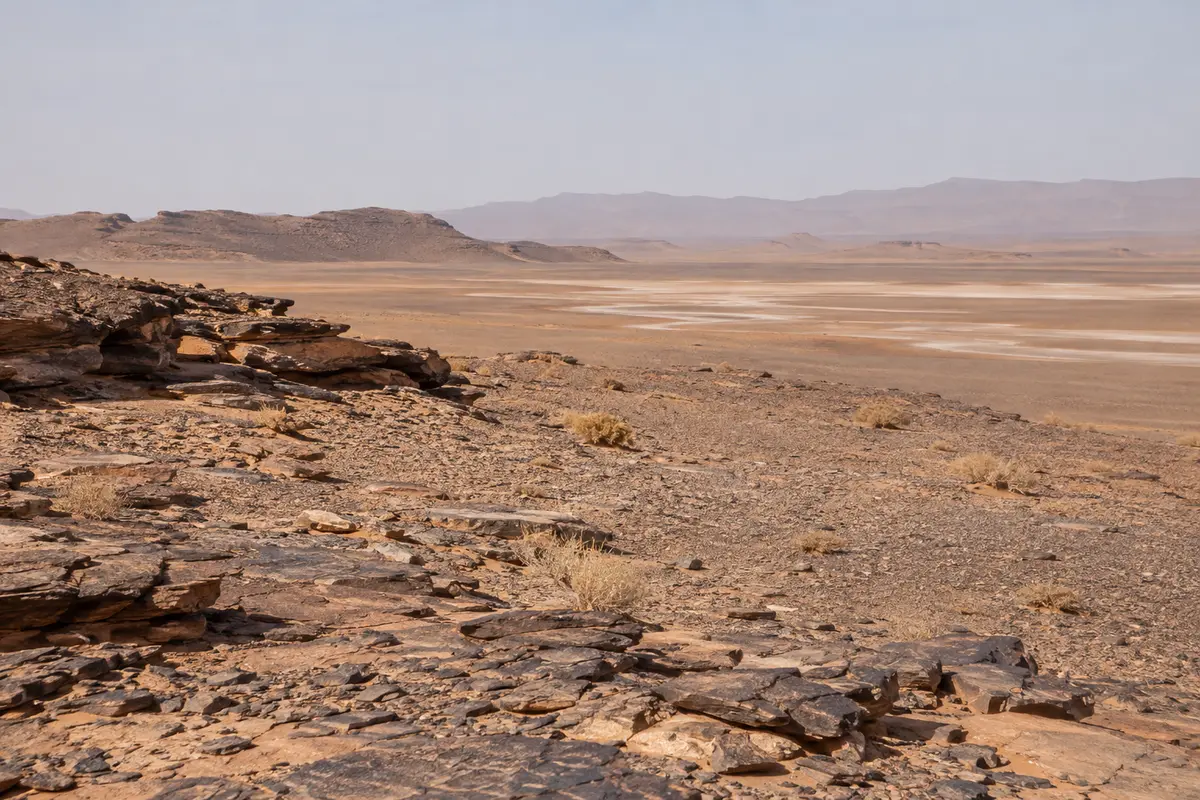
A stony desert near Marrakech or a remote sand sea in the south? How Agafay and Erg Chigaga compare, and who each suits.
Send your dates and group size. We reply with a written itinerary and price — no payment needed to ask.