Erg ChigagaDesert Tours
Request a quote
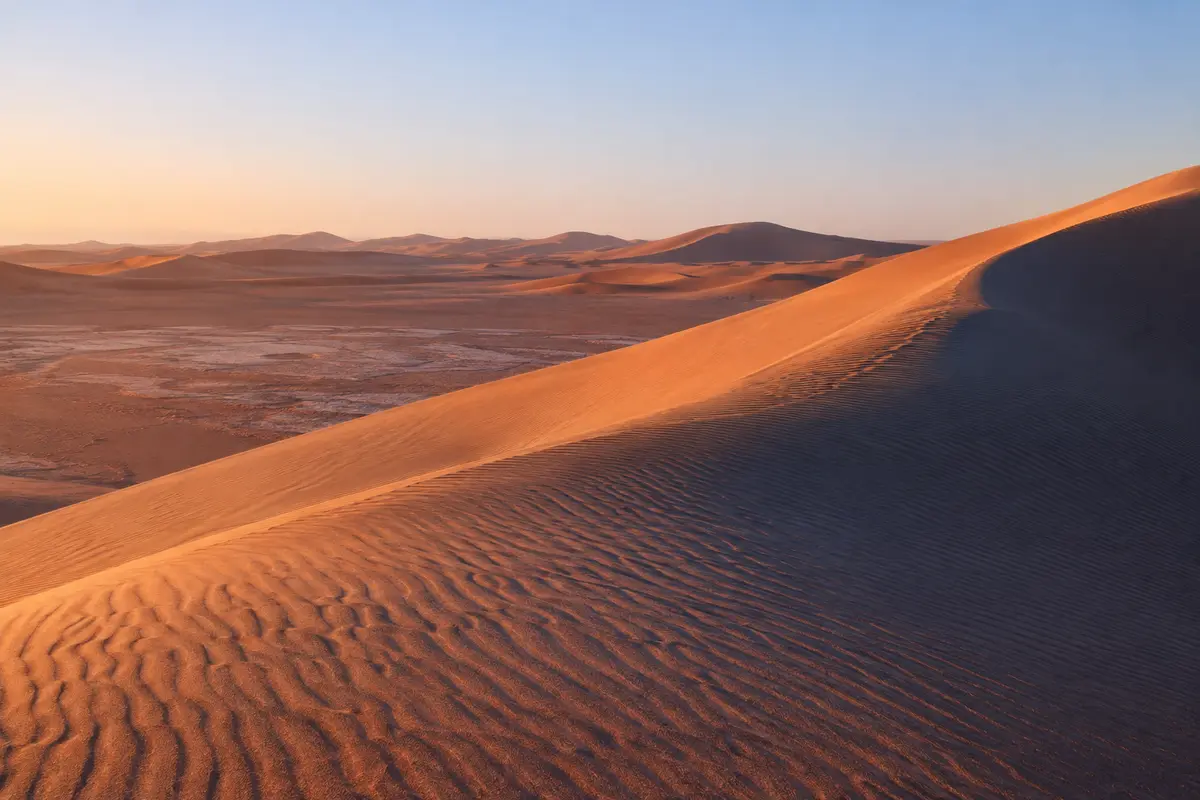
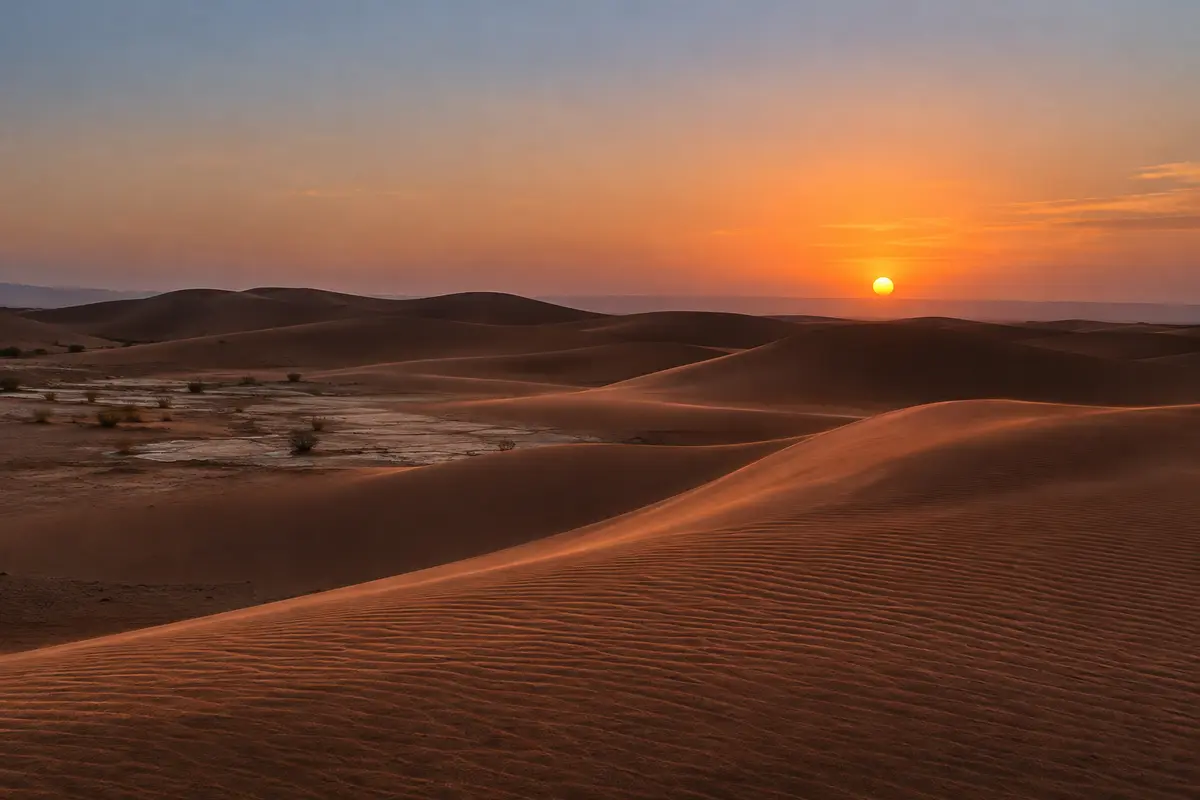
Early sunlight on a sharp dune ridge, one side bright and the other in blue shadow. Illustrative image
Desert activities

Photographing the desert at Erg Chigaga

The dunes are generous to photographers, but only at certain hours, and sand is hard on equipment. This page covers when to shoot, how to keep your camera working, how to photograph people with respect and why you should never assume a drone is allowed.

Timing is everything

Sunrise and sunset

Low sun turns the dunes into shapes. Ridges cast long shadows, ripples stand out and the colour of the sand warms. The best light usually lasts a short time after sunrise and before sunset, so be in position early. Your guide can suggest a ridge, but it takes time to climb in soft sand.

Midday

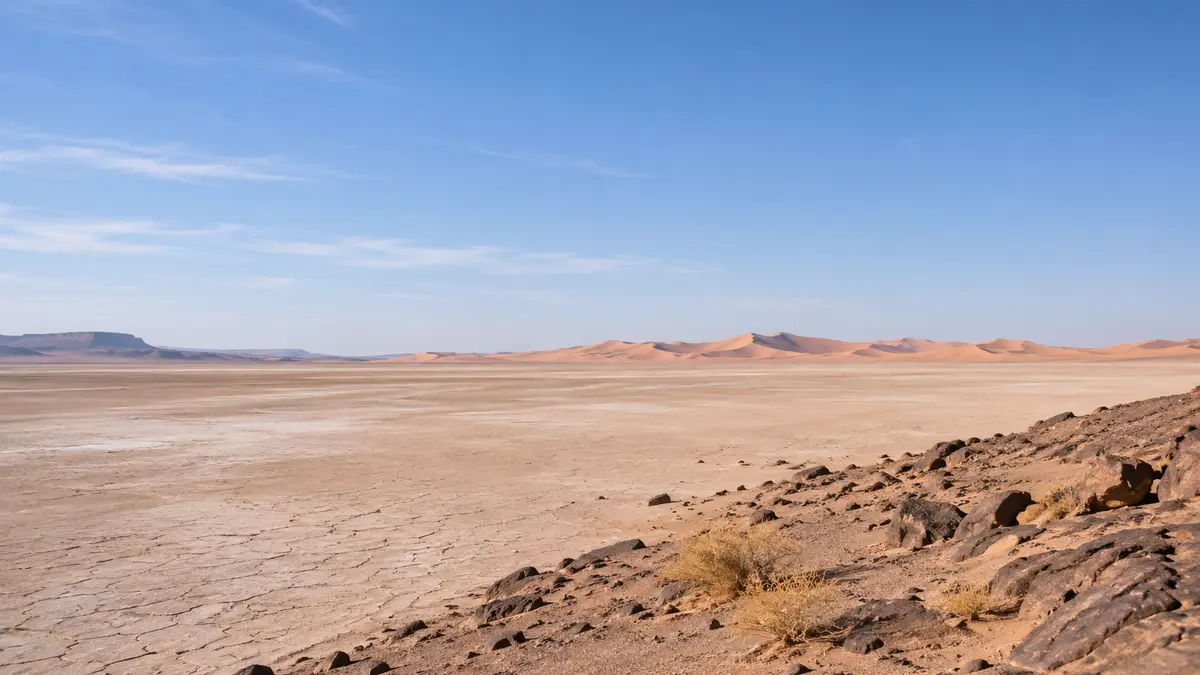
The light is harsh and flat from late morning to mid-afternoon. It suits a few graphic images of bright sand against sky, or the empty surface of Lac Iriki, but it is mostly a time for resting and cleaning lenses.

Night

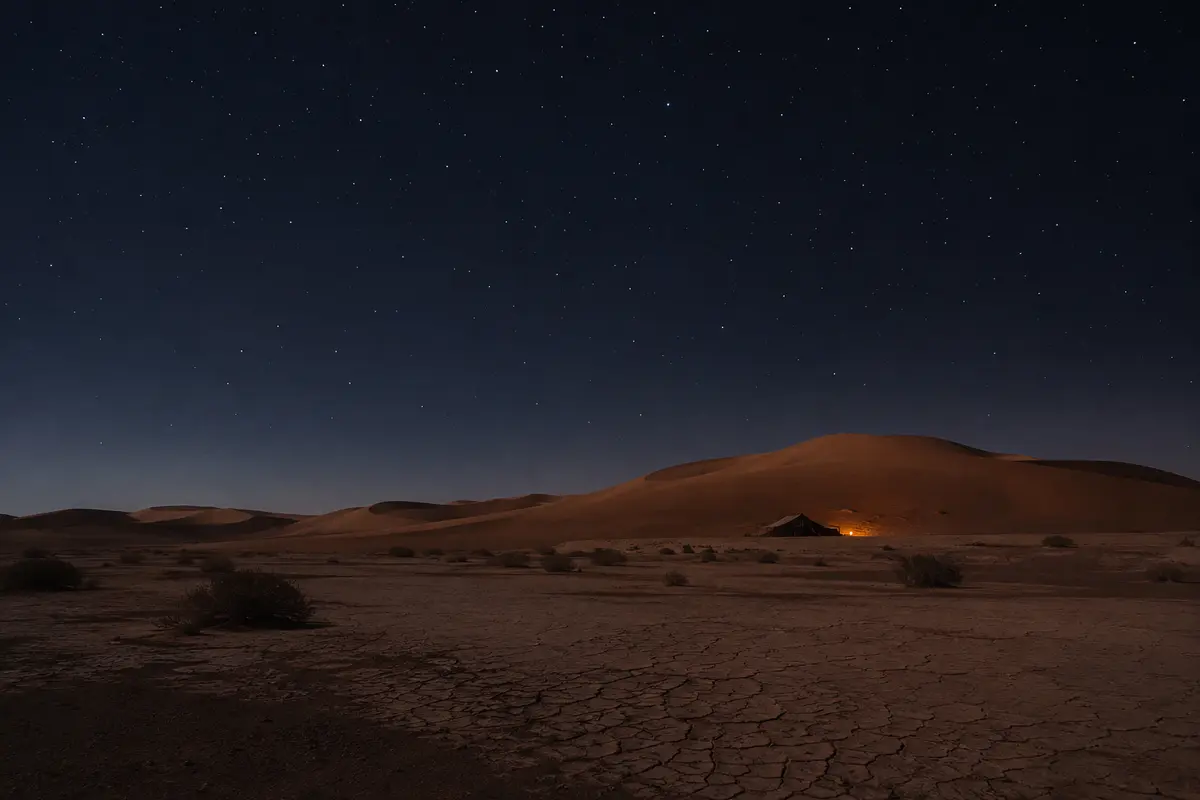
Clear, dark nights offer star photography. See stargazing for how the moon and weather affect the sky.

Composition in the dunes

  • Footprints. Untouched ridges look best. Plan your route so you do not walk through the scene you want to photograph, and ask others before you cross their view.
  • Scale. A person or camel on a distant ridge shows how big the dunes are.
  • Shadow lines. The sharp line between light and shadow on a dune crest makes strong compositions at the start and end of the day.
  • Texture. Close-ups of ripples, tracks and wind patterns work in almost any light.
  • The journey. On the western route, the open plains and dry lake bed give a different kind of image from the dunes. Ask your driver for stops; they are flexible, though brief in summer.

Protecting your equipment from sand

Sand is the main threat to cameras in the desert, and wind makes it worse.

  • Keep the camera in a sealed bag or a zip-lock bag inside your camera bag.
  • Change lenses inside the vehicle or a tent, never in the wind.
  • A rain cover or a plastic bag with a hole for the lens helps on windy days.
  • Use a blower to remove sand before wiping. Wiping grit across a lens can scratch it.
  • Avoid putting the camera down on the sand.
  • Let equipment warm up slowly in a closed bag if you bring it from a cold night into a warm tent, to limit condensation.
  • Carry spare batteries. Cold nights drain them, and charging at camp may be limited.

A phone is easier to protect than a large camera. A simple waterproof pouch keeps out most sand.

Photographing people respectfully

The desert is not empty. People live and work here, and many of them are photographed far more often than they would like.

  • Always ask before photographing someone, and respect a refusal.
  • Ask a parent before photographing a child, and accept that the answer may be no.
  • Do not photograph inside homes or tents without being invited to.
  • Some people may ask for something in return for a photograph. Decide before you ask, and if you are unsure, ask your guide.
  • Your guide and drivers are people too. Ask before making them part of your pictures, and before sharing their images online.

Drones

Morocco has strict rules on drones, and they apply to visitors as well as residents. We do not give specific guidance here because the rules can change. Before you travel:

  • check the current official regulations for bringing a drone into Morocco and for flying it
  • tell us if you are thinking of bringing one, so we can discuss it before you book
  • never assume that a drone will be allowed in at the border or permitted to fly in the desert

If in doubt, leave it at home. The dunes photograph well from the ground.

Planning a trip around photography

The 3-day trip gives two sunsets and two sunrises at the dunes, which allows for a second attempt if the light or weather disappoints. A private trip lets you set the pace of stops. Our travel guide covers practical preparation.

Questions travellers ask

When is the best light at the dunes?

The hour or so after sunrise and before sunset, when low light picks out the ridges and ripples. Around midday the sand turns flat and bright, which suits a few minimalist images but little else.

Can I fly a drone at Erg Chigaga?

Never assume you can. Morocco has strict rules on drones. Check the current official regulations well before you travel and tell us if you are thinking of bringing one. Do not pack a drone on the assumption that it will be allowed.

Can I photograph local people?

Always ask first, and accept a no gracefully. Many people are happy to be photographed after a conversation; some are not, for personal or religious reasons. Never photograph children without asking a parent.

Will sand damage my camera?

It can. Fine sand gets into zooms, buttons and lens mounts, especially in wind. Keep the camera in a sealed bag when not in use and avoid changing lenses outdoors on windy days.

Can you arrange a photography-focused trip?

We can plan a private trip around light and photo stops, with more time at sunrise and sunset. Tell us what you want to photograph when you request a quote. See private tours.

Can I charge camera batteries at camp?

Sometimes, but charging may be limited to certain hours or a shared point. Bring spare batteries and a power bank, and ask us what your camp provides.

Plan your trip

Send your dates and group size. We reply with a written itinerary and price — no payment needed to ask.

Request a quote