Illustration
Private tours
What a private Erg Chigaga tour means with us, from your own vehicle and pace to tailored itineraries for couples, families, friends and travel agencies.
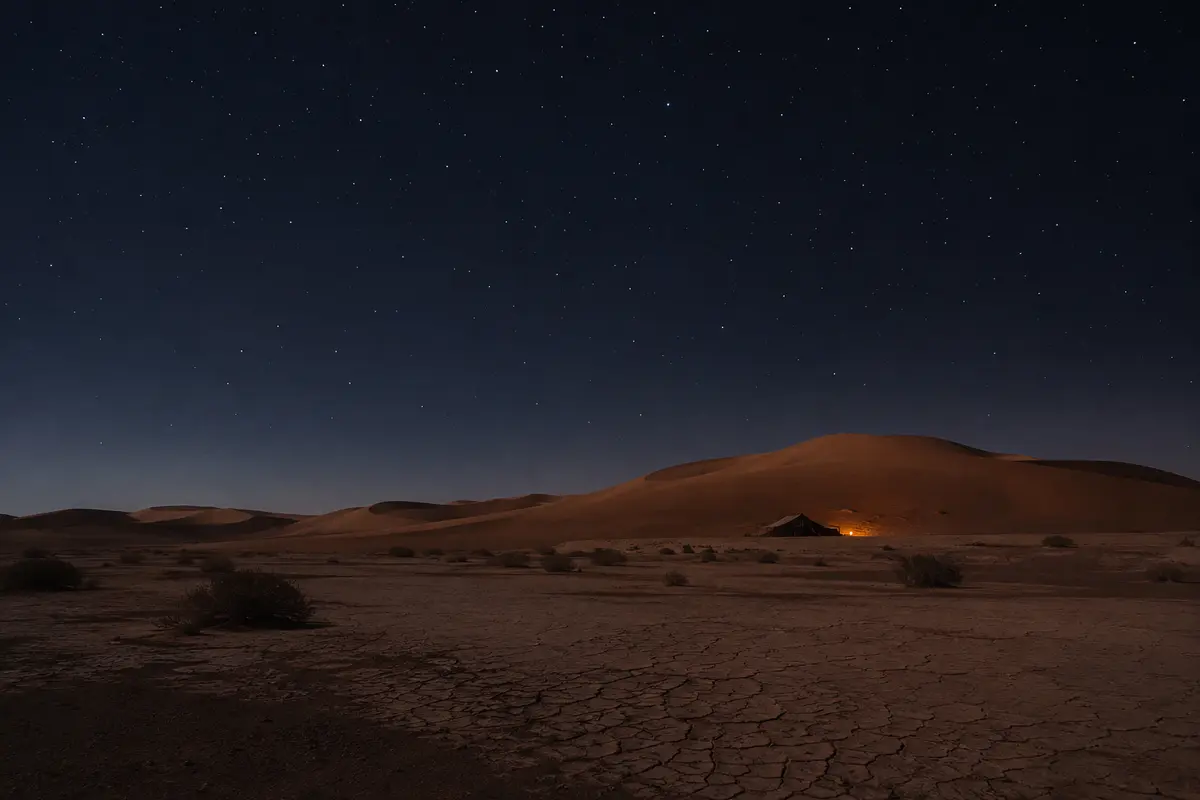
Children often love the dunes, with endless sand to run down, camels, stars and a night in a tent. The trip also asks a lot of them, with long drives, strong sun and cold nights. This guide sets out what to expect at each age, so you can decide with your eyes open.
Erg Chigaga is remote. There is no road to the dunes, the off-road crossing is long and bumpy in places, there is no shop or clinic nearby, and phone signal is unreliable. None of that makes it unsuitable for children, but it does mean the trip needs more thought than a hotel by the pool.
What makes it work with children is time. Fewer long driving days, more stops, and a full day in the dunes when nobody needs to get back in a car. Every trip we arrange is private, so the pace can be set around your family; see private tours.
These are general considerations, not rules. You know your children best.
Families with very young children often find a destination with a shorter final approach easier, such as Erg Chebbi near Merzouga. Our comparison with Merzouga is honest about this.
Children of primary-school age are often the ones who enjoy the dunes most: running down slip faces, digging, looking for beetle tracks in the morning sand and seeing more stars than they have ever seen.
Teenagers usually cope well with the journey and get a lot from the remoteness, though the lack of signal can be a shock. Tell them in advance. Older children and teenagers who enjoy walking may also enjoy a short camel trek, which is a very different experience from a 4×4 trip; see trekking.
The road to a gateway town and the off-road crossing take a good part of a day each way. Motion sickness is common on bumpy tracks. Tell us if your children are prone to it, sit them where they can see out, and bring snacks, water and something to do. A trip with two nights in the desert halves the share of the time spent driving.
Days can be hot and sunny for much of the year, and in summer the heat is intense. Nights are colder than most people expect and in winter can drop close to freezing. Children need sun hats, long sleeves, sunscreen and plenty of water by day, and warm layers, hats and warm sleepwear at night. Autumn and spring are usually the most comfortable seasons for families; see the weather guide.
Sand gets into eyes, ears, shoes, food and cameras. Sunglasses help, as do a scarf or buff on windy days and a bottle of water for rinsing. Spring is the windiest season, and blowing sand can make camp less pleasant for young children.
Facilities differ widely between camps, from simple shared arrangements to more comfortable set-ups. They are confirmed per camp, in writing, before you book. If this matters for your family, and with small children it usually does, ask us specifically. Our camps page lists the questions to ask.
Short camel rides are often a highlight for children. A handler leads the camel, an adult stays close, and the ride is kept short. Getting on and off is the bumpiest part, as the camel stands up in two lurches; hold on and lean back. Whether a ride is included, and for which ages, is confirmed in your quote.
Camp meals are typically simple Moroccan dishes. If your children are fussy eaters or have allergies, tell us in advance and bring familiar snacks as a back-up. What camps can provide is confirmed in writing.
The nearest medical help is a long drive away. Bring children’s paracetamol or ibuprofen, any prescription medicines, rehydration salts, plasters and antiseptic, and keep them with you rather than in the main luggage. Take out travel insurance that covers the trip, and tell us about any medical conditions before booking.
On top of the usual packing list, bring:
Tell us the ages of your children, where you are coming from and any concerns you have. We will suggest a pace and a trip length that make sense, and we will say plainly if we think another option would suit your family better. The 3-day trip, with its full day in the dunes, is often a good starting point for families. When you are ready, contact us for a written quote.
What a private Erg Chigaga tour means with us, from your own vehicle and pace to tailored itineraries for couples, families, friends and travel agencies.
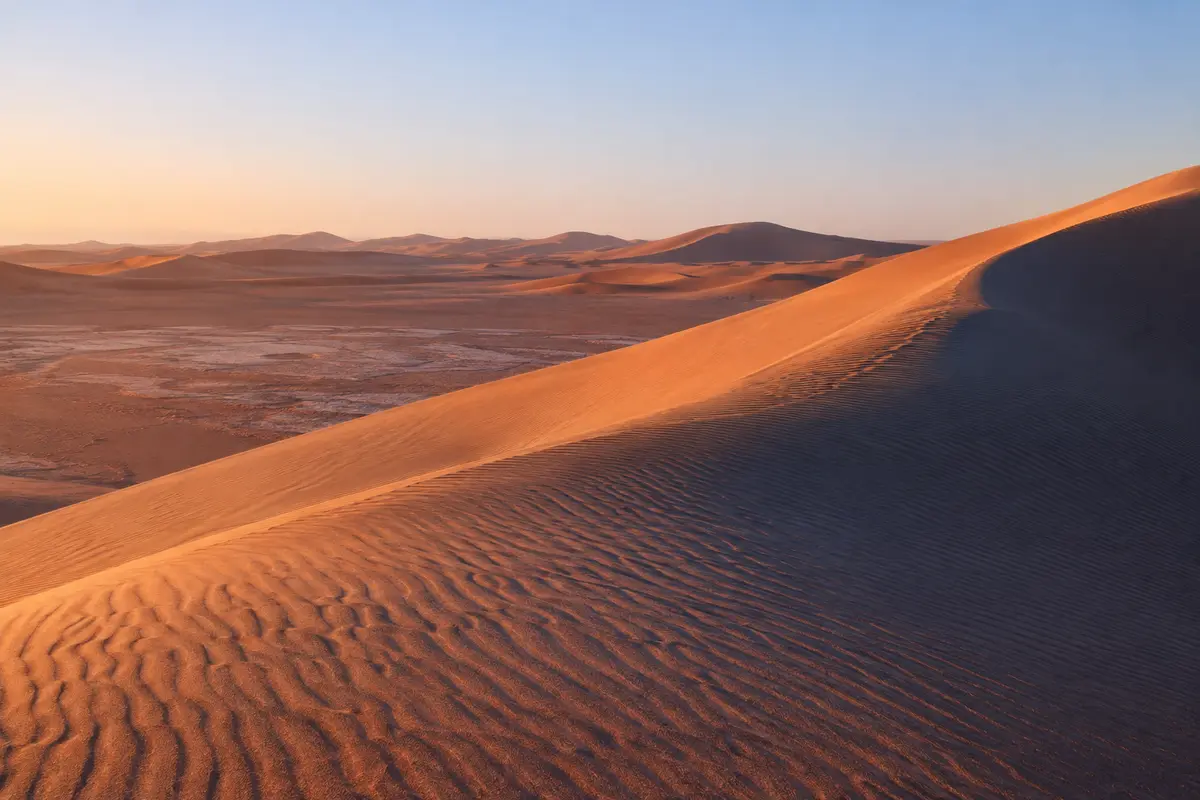
Two nights at a desert camp with a whole day in the dunes for walks, sunrise and slow time in the sand.
Simple bivouacs, standard camps and luxury set-ups compared, with the questions to ask before you book.
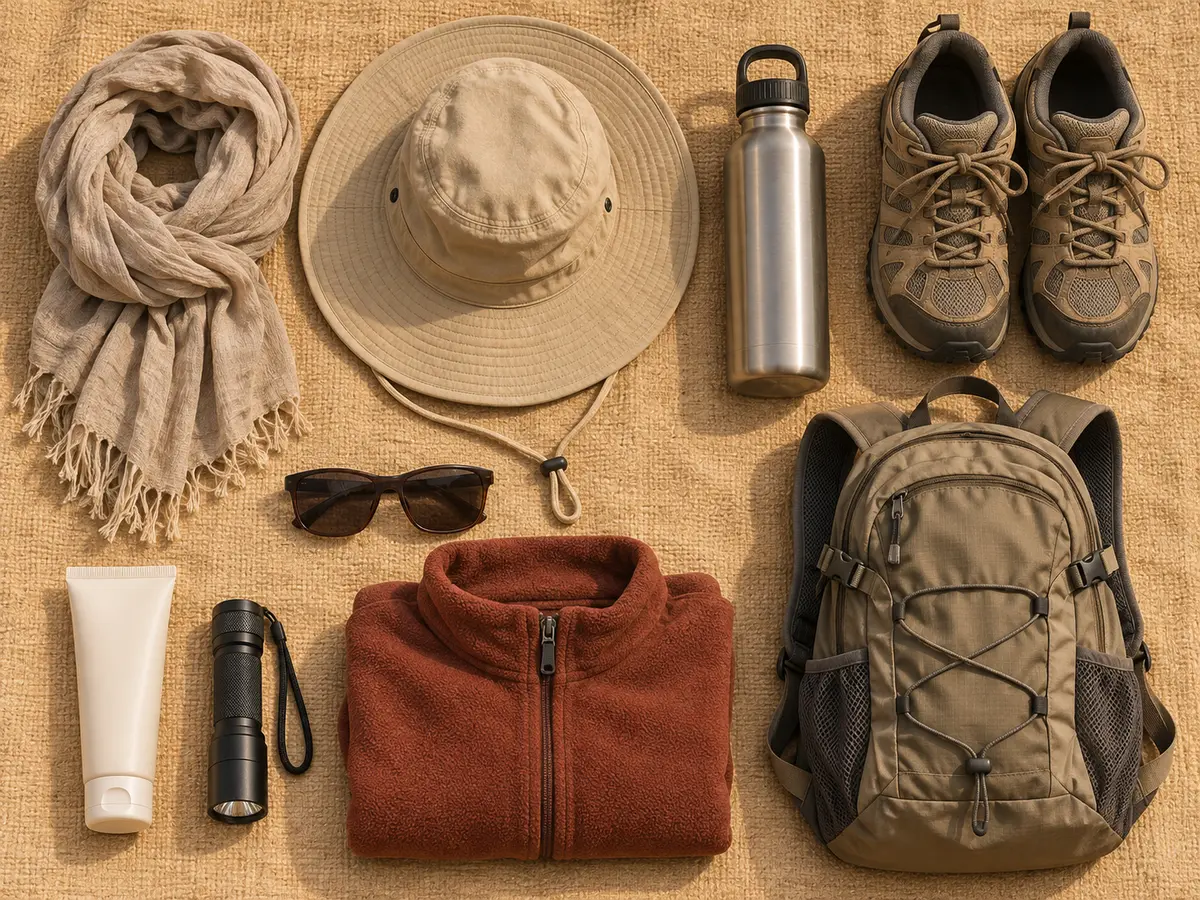
Checklists for a 4×4 overnight, a camel trek, winter and summer, plus what to leave at home.
Access, crowds, dunes, camps and trip length compared, so you can choose the desert that fits your trip.
Send your dates and group size. We reply with a written itinerary and price — no payment needed to ask.